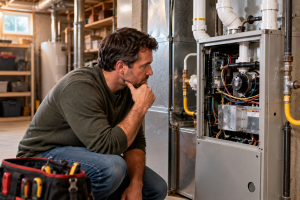
If you own an older home in Lynchburg, VA, scheduling electrical safety inspections is one of the smartest ways to protect your family, home, and investment. Many older homes were built before modern electrical demands existed, meaning outdated wiring, overloaded circuits, and aging electrical panels can create serious safety risks.
Whether you recently purchased a historic Lynchburg property or have lived in your home for decades, understanding the importance of a home electrical inspection can help prevent costly repairs, improve safety, and give you peace of mind.
What Is an Electrical Home Inspection?
An electrical home inspection is a comprehensive evaluation of your home’s electrical system to identify safety hazards, code violations, and potential performance issues.
During a whole home electrical inspection, a licensed electrician examines key components including:
- Electrical panels and breakers
- Wiring and connections
- Outlets and switches
- Grounding systems
- GFCI and AFCI protection
- Smoke detector wiring
- Surge protection systems
The goal is to ensure your electrical system is operating safely and can support your household’s current and future needs.
Why Are Older Homes More Likely to Have Electrical Problems?
Older homes often contain electrical systems that were designed for a completely different era.
Many homes throughout Lynchburg’s historic neighborhoods were built decades before modern families relied on:
- Large kitchen appliances
- Home offices
- Multiple televisions
- Smart home devices
- Electric vehicle chargers
- High-efficiency HVAC systems
As electrical demands increase, older wiring and panels may struggle to keep up.
Common issues found during electrical safety inspections include:
- Outdated fuse boxes
- Aluminum wiring
- Knob-and-tube wiring
- Overloaded circuits
- Improper grounding
- Damaged outlets and switches
- Unsafe DIY electrical work
Signs You Need an Electrical Home Inspection
If your Lynchburg home is showing warning signs, you may need an electrical home inspection sooner rather than later.
Watch for these common indicators:
Frequent Breaker Trips
If breakers trip regularly, your electrical system may be overloaded or have underlying faults.
Flickering or Dimming Lights
Lights that dim when appliances start often indicate wiring or panel capacity issues.
Burning Smells or Discolored Outlets
These can be signs of overheating wires and should never be ignored.
Buzzing Sounds
Electricity should be silent. Buzzing outlets, switches, or panels often indicate loose connections.
Two-Prong Outlets
Many older Lynchburg homes still have ungrounded outlets that may not meet modern safety standards.
Home Renovations or Additions
If your home has been remodeled over the years, an inspection can verify that previous electrical work was completed correctly.
Why Lynchburg Homes Face Unique Electrical Challenges
Lynchburg’s mix of historic homes and aging housing stock make electrical inspections especially important.
Many homes throughout Lynchburg, Forest, Madison Heights, Bedford, and surrounding Central Virginia communities were built long before today’s electrical standards. Older systems may have undergone multiple modifications over the years, creating hidden safety concerns.
Additionally, Virginia’s seasonal weather can place extra demands on electrical systems through:
- Air conditioning usage during humid summers
- Electric heating systems during winter
- Whole-home generators
- Surge events caused by thunderstorms
According to the National Fire Protection Association (NFPA), electrical failures and malfunctions remain a leading cause of home fires in the United States. Regular inspections can help identify risks before they become emergencies.
What Happens During a Whole Home Electrical Inspection?
A whole home electrical inspection evaluates every major electrical component in your house.
A licensed electrician will typically:
Inspect the Electrical Panel
The panel is the heart of your electrical system. The inspection checks for:
- Proper breaker sizing
- Corrosion
- Overloaded circuits
- Manufacturer recalls
- Available capacity
Evaluate Wiring
Wiring is examined for:
- Age-related deterioration
- Damage
- Improper splices
- Code compliance
Test Outlets and Switches
Outlets and switches are checked to ensure they:
- Function properly
- Are grounded correctly
- Have GFCI protection where required
Verify Safety Devices
Inspectors ensure smoke detectors, carbon monoxide detectors, and surge protection systems are functioning correctly.
Benefits of Electrical Safety Inspections
Electrical safety inspections help homeowners prevent problems before they become expensive or dangerous.
Some of the biggest benefits include:
Improved Family Safety
Identifying hazards early reduces the risk of electrical fires, shocks, and injuries.
Lower Repair Costs
Small electrical issues are often much less expensive to fix than major failures.
Better Home Value
A documented electrical inspection can be valuable when selling your home.
Increased Energy Efficiency
Electrical systems operating correctly often improve overall efficiency and performance.
Peace of Mind
Knowing your home’s electrical system is safe allows you to focus on enjoying your home rather than worrying about hidden risks.
When Should You Schedule an Electrical Inspection?
Most homeowners should consider a home electrical inspection every few years, especially in older properties.
You should schedule an inspection if:
- Your home is more than 25 years old.
- You are buying or selling a home.
- You’ve completed a major renovation.
- You’re installing new appliances or equipment.
- You’re experiencing electrical issues.
- Your insurance company recommends it.
For many homeowners in Lynchburg, an inspection is a proactive investment that helps avoid emergency repairs later.
Why Trust Brown’s for Electrical Safety Inspections in Lynchburg?
Brown’s Heating, Air, Plumbing & Electrical helps Central Virginia homeowners make informed decisions through honest recommendations and professional service.
We understand how stressful it can be when you’re concerned about the safety of your home. Our licensed electricians take the time to explain what they find, answer your questions, and provide clear options without pressure. That’s part of our commitment to treating customers like family and helping homeowners feel confident in their decisions.
Whether you live in Lynchburg, Forest, Bedford, Madison Heights, Timberlake, or the surrounding area, our team can help identify potential issues and ensure your home’s electrical system is operating safely.
Schedule Your Electrical Inspection Today
If you own an older home in Lynchburg or the surrounding Central Virginia area, don’t wait until a small electrical issue becomes a major problem. Let the experienced team at Brown’s Heating, Air, Plumbing & Electrical perform a professional electrical safety inspection and help ensure your home remains safe, reliable, and ready for the future.
Schedule your electrical inspection today and gain confidence that your home’s electrical system is protecting what matters most.
Frequently Asked Questions
What is an electrical home inspection?
An electrical home inspection is a detailed evaluation of your home’s electrical system performed by a licensed electrician to identify hazards, code violations, and performance concerns.
How long does a whole home electrical inspection take?
Most inspections take between 1 and 3 hours depending on the size, age, and complexity of the home.
Are electrical inspections worth it?
Yes. Electrical inspections can uncover hidden safety hazards, prevent costly repairs, and provide peace of mind for homeowners.
How often should a home electrical inspection be performed?
Older homes should generally be inspected every few years or whenever major renovations, electrical upgrades, or home purchases occur.